Adapting Process Safety Discipline Beyond the Chemical Sector
Introduction
Process Safety Management (PSM) and its cornerstone, Management of Change (MOC), are most commonly associated with chemical processing, refining, and petrochemical industries—where changes in process chemistry, pressure, or temperature can directly lead to catastrophic events. In these high-risk environments, organizations increasingly rely on management of change solutions and applications to consistently evaluate, document, and control changes that carry significant safety and operational consequences.
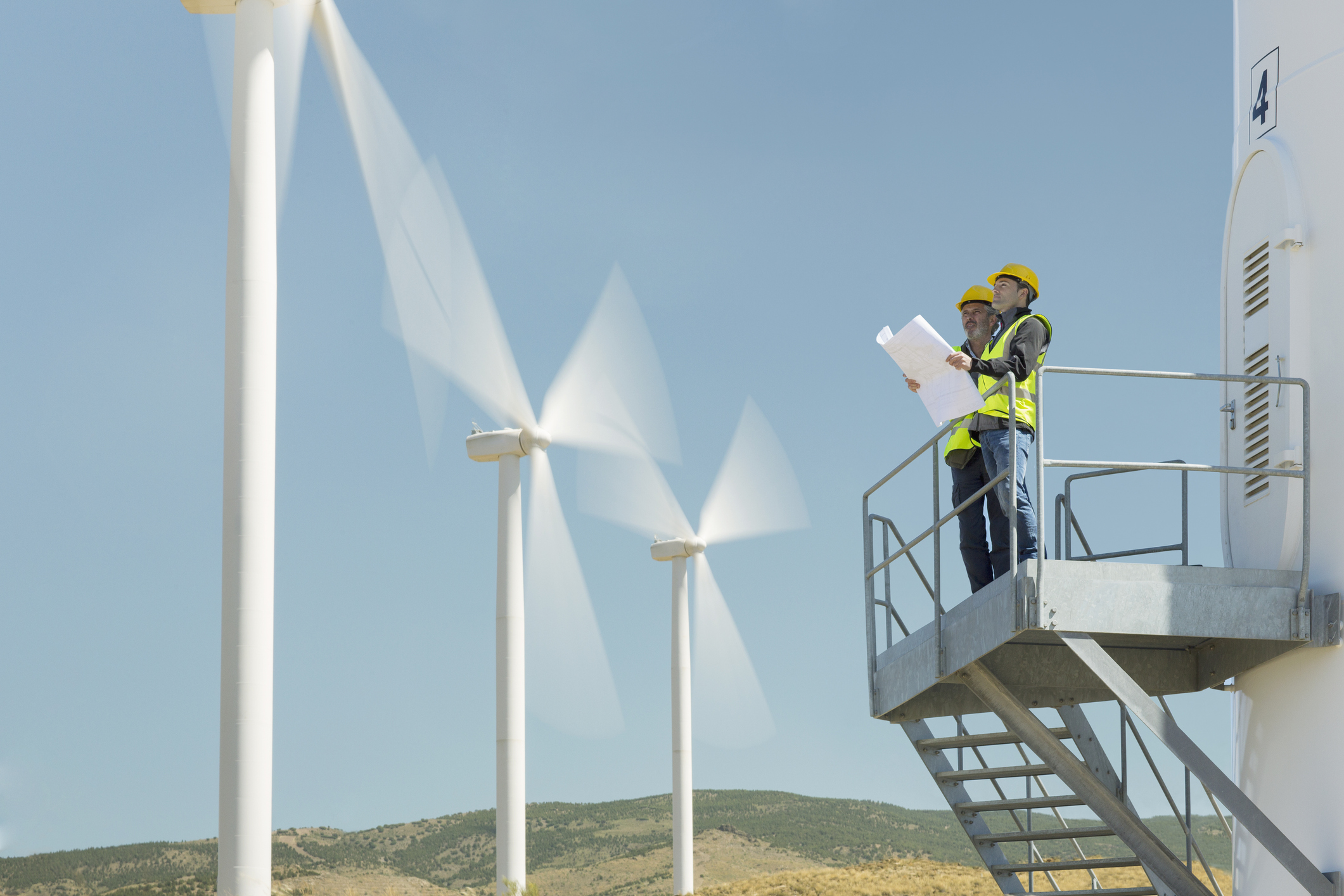
However, many organizations operate in non-covered industries—fields that fall outside regulatory PSM boundaries but still face high-consequence risks associated with mechanical systems, lifting operations, energy isolation, or complex maintenance activities. Examples include renewable-energy maintenance, large-scale lifting operations, utility infrastructure upgrades, or heavy industrial repairs.
In these environments, the same risk-based discipline that underpins PSM can be adapted to ensure safe, reliable, and traceable control of change—even when chemical inventory thresholds or regulatory triggers do not apply.
1. Why MOC Still Matters for “Non-Covered” Processes
Even without regulated hazardous materials, non-covered industries encounter hazards that can escalate rapidly if unmanaged:
• Introduction of new mechanical equipment, lifting devices, or maintenance procedures
• Modifications to structures, rigging systems, or work envelopes at height
• Changes to logistics, subcontractors, or weather-dependent operations
• Revisions to control software, monitoring systems, or operating envelopes
• Personnel changes that impact training, supervision, or competency
In each of these cases, a formal MOC framework provides structure and accountability—ensuring that proposed modifications are reviewed, risks are evaluated, approvals are documented, and lessons are captured for future improvement.
2. Why Standard PSM Scoping Checklists Don’t Fit
Traditional PSM scoping tools ask questions such as:
• Does the process involve a regulated substance above a defined threshold?
• Could a release of toxic or flammable materials occur?
• Is there potential for a chemical reaction or over-pressure event?
These checklists are irrelevant for non-chemical operations. A mechanical or lifting project may never involve a regulated substance—but still carry severe potential consequences such as dropped loads, structural failure, or exposure to high kinetic energy. Thus, applying chemical-centric checklists can produce false negatives (no coverage where it’s needed) or false positives (unnecessary bureaucracy). Instead, non-covered operations require tailored scoping criteria that reflect mechanical, structural, and human-factor hazards.
3. A Tailored MOC Framework for Non-Covered Operations
Step 1: Change Identification and Scoping
Replace chemical thresholds with triggers such as:
• New lifting or handling equipment
• Changes to load path, work height, or environmental conditions
• Modifications to access systems or rigging methods
• Updates to operating procedures, sequencing, or software controls
• Introduction of new contractors or crews
• Deviations from standard work envelopes (e.g., higher wind speeds, night work)
Step 2: Risk Assessment and Approval
Each change should undergo structured review, covering description, hazards, risk controls, and personnel qualification verification.
Step 3: Implementation and Communication
Approved changes should trigger updates to procedures, drawings, training, and coordination with affected parties.
Step 4: Verification and Closure
After implementation, verify controls, capture lessons learned, and close the MOC record.
4. Key Success Factors
To make MOC practical in non-covered industries:
• Tailor the scope—focus on mechanical and operational triggers, not chemicals.
• Integrate MOC into normal work management so it complements existing project controls.
• Digitize the workflow to enable traceability and reporting.
• Emphasize training and competency.
• Capture and share lessons learned.
• Include interface management across all contractors and suppliers.
5. The Role of Digital Platforms like FACILEX®
Digital MOC systems such as FACILEX® allow organizations to extend proven process-safety governance into non-traditional domains. A modern implementation supports configurable checklists, risk-assessment templates, automated workflows, document versioning, training validation, and KPI dashboards. By leveraging the same architecture trusted by regulated industries—but adapting its logic and checklists—companies can achieve PSM-level assurance without over-engineering the process.
6. Conclusion
The essence of Management of Change is simple: any modification introduces risk, and risk must be managed. Whether that modification occurs in a chemical reactor or a heavy-lift maintenance operation, the principles remain identical—structured review, disciplined communication, controlled implementation, and feedback.
For organizations operating outside formal PSM coverage, adopting an MOC framework demonstrates professionalism, enhances reliability, and strengthens both safety and reputation. By adapting scoping criteria and leveraging digital tools like FACILEX®, any high-risk operation can bring the same level of control and traceability that defines world-class process industries.